Zero-Silica Quartz vs. Traditional Quartz
What sets them apart?
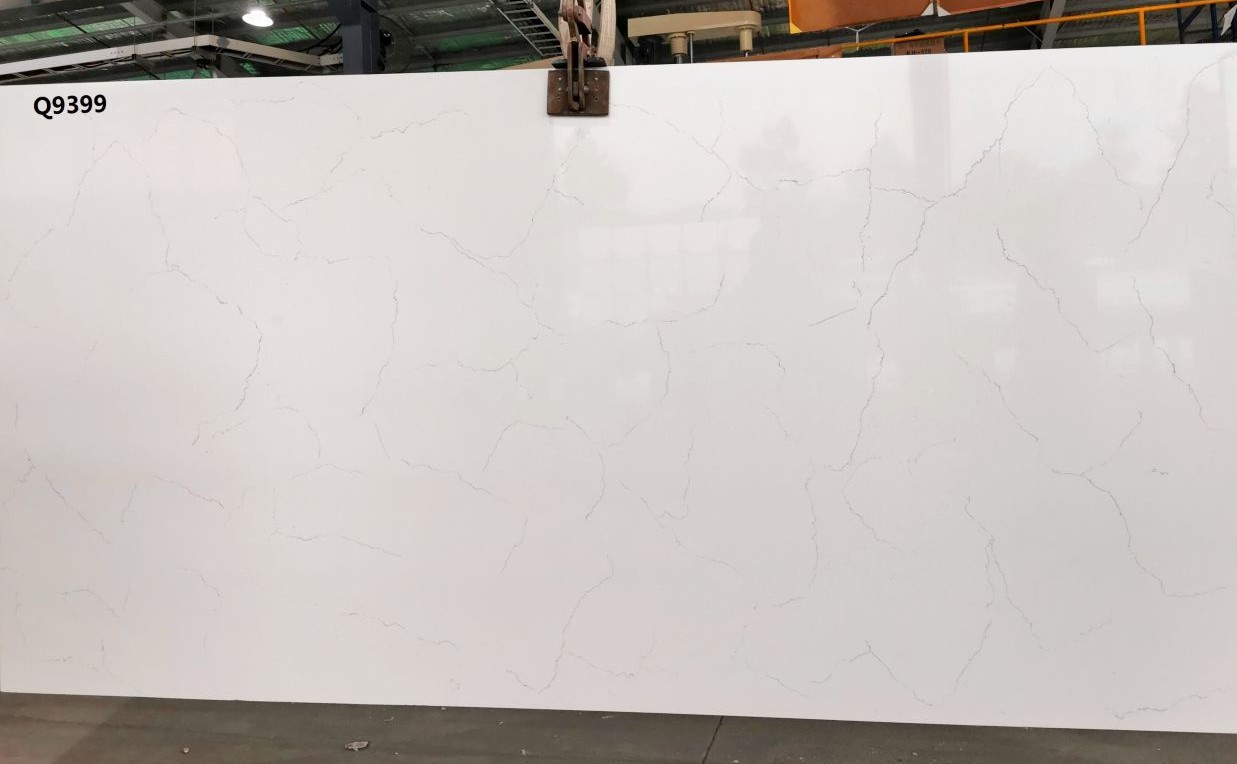
When designing a modern kitchen, the materials you choose—especially for countertops—play a major role in both style and function. White quartz countertops, in particular, have become a popular choice due to their sleek look and long-lasting durability. Within this category, two distinct types are gaining attention: traditional quartz and a newer alternative known as zero-silica quartz. Understanding how they differ can help you make the best decision for your home renovation project.
What They're Made Of
The key difference lies in their chemical makeup. Traditional quartz countertops are made from around 90–95% crushed natural quartz, combined with resin and color pigments. This blend delivers strength, visual appeal, and a wide range of design possibilities. However, it also contains crystalline silica—a fine dust that, if inhaled over long periods (especially during fabrication), can pose health risks.
Zero-silica quartz, in contrast, is engineered to contain little to no crystalline silica. Thanks to innovations in manufacturing, this option offers similar visual and structural benefits without the potential hazards associated with silica exposure during production.
Safety Considerations
Though traditional quartz surfaces are safe in the home, concerns arise during the fabrication phase, where cutting and finishing can generate harmful silica dust. For workers in the stone fabrication industry, prolonged exposure to this dust may lead to serious respiratory conditions.
Zero-silica quartz significantly reduces this risk. Its composition makes it a safer alternative for installers and fabricators, giving homeowners peace of mind about the product’s impact on worker health and safety.
Durability and Performance
Both types of quartz are known for their strength, resistance to heat, and stain resistance—qualities that make them ideal for busy kitchens. However, zero-silica quartz may offer an extra edge in durability. Its unique composition can enhance impact resistance, making it less susceptible to chips and cracks under pressure.
In terms of hygiene, both options are non-porous, meaning they don’t absorb liquids or harbor bacteria. This makes cleanup easy and ensures a clean, sanitary surface for food preparation.
Looks and Design Flexibility
Visually, there’s little difference between the two. Both traditional and zero-silica quartz can be crafted to resemble natural stone like marble or granite, giving homeowners a wide range of colors and patterns to choose from. The consistency of engineered quartz also means fewer imperfections compared to natural stone.
White quartz remains a top pick for kitchen countertops due to its crisp, timeless appearance. Whether you choose a zero-silica version or a conventional quartz surface, you can achieve a beautiful, polished look that elevates your kitchen design.
Final Thoughts
White quartz remains a top pick for kitchen countertops due to its crisp, timeless appearance. Whether you choose a zero-silica version or a conventional quartz surface, you can achieve a beautiful, polished look that elevates your kitchen design.